

Thu 25 Jun2:00–3:30pmGFTN Insights
Navigating the New Digital Order: Regulatory Divergence, Monetary Architecture, and a Path toward Coordination
About This Session
Digital assets, programmable money, and AI-driven transactions are crossing borders at increased speed. But the rules governing them are being written jurisdiction by jurisdiction, with no shared architecture in sight. As the US advances GENIUS Act rules for private-sector stablecoins, the EU deepens MiCA and pursues a digital euro, and China scales its state-backed e-CNY, three major economies are building divergent governance frameworks around one underlying technology — with significant implications for cross-border payments, monetary policy transmission, and AI in the global financial system.
This policy divergence is a compliance challenge for market participants, but it is also the early stage of a structural buildup. When domestically rational policy choices generate internationally costly spillovers — and when no coordinating mechanism exists to manage them — fragmentation compounds over time until the cost of inaction becomes prohibitive. Digital currencies and AI governance are following this trajectory, and while the window to get ahead of it remains open, it is closing.
Against this backdrop, the Bretton Woods Committee will convene a closed roundtable at Point Zero Forum on Thursday, June 25th to bring together global policymakers, central bankers, regulators, and private sector leaders to stress-test the diagnosis. This discussion will directly inform the Bretton Woods Committee's upcoming work, with a focus on the defining digital governance challenge of the moment: whether coordination across jurisdictions can accelerate to match the digital rails being built beneath the global financial system.
The roundtable will be a 90-minute discussion featuring 10 minutes of scene-setting remarks from featured speakers, followed by an open exchange among the broader group. A brief framing paper will be circulated in advance. The core question animating the discussion: What are the costs of continued fragmentation — and what global coordination mechanisms are necessary to manage the associated risks and opportunities?
- When
- Thursday 25 June2:00–3:30pm, Zurich time
- Where
- GFTN InsightsRoundtable Room 3, Ground Floor
- Access
- Open
Speakers
-

Audrey Metzger
Director of Innovation & Financial Market Infrastructures
Banque de France
-
Dante Disparte
Chief Strategy Officer and Head of Global Policy & Operations
Circle
-

Isadora Arredondo
Vice President, Global Policy
Hedera
-
Jessica Renier
Managing Director & Head of Digital Finance
Institute of International Finance (IIF)
-

Karim Mouaffak
Financial Sector Specialist
Arab Monetary Fund
-

Dr. Michael Huertas
Partner, Global FS Legal Leader
PwC Legal
-

Mykolas Majauskas
Global Head of Policy
Bybit
-
Natalya Thakur
Founder & Chief Executive Officer
Knova
-

Pavle Avramovic
Director of Research & Policy
Financial Innovation for Impact
-
Prof. Sarah Hammer
Co-Chair
Bretton Woods Committee Working Group on AI
-
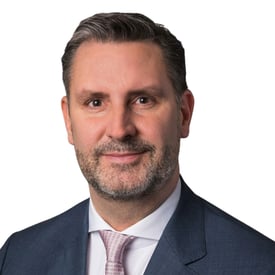
Thorsten Pauli
Country Executive Switzerland, & Head Equity Capital Markets DACH
Bank of America
-
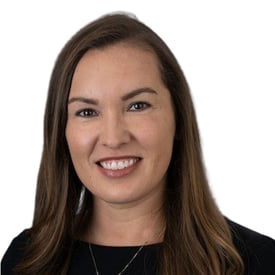
Emily Slater
Executive Director
Bretton Woods Committee
Moderator
More Blueprint for Digital Assets Sessions
-
2:00–3:30pmThu 25 JunGFTN InsightsRoundtable Room 2, Ground FloorOpen
Blueprint for Digital Assets
Building a Practitioner's Guide for Tokenization in Finance: Oversight Panel Convening
-
 Dr. Abbas AlbashaSenior Strategy Consultant CBDCGiesecke+Devrient (G+D)
-
 Dr. Alexandra HachmeisterDirector General Digital EuroDeutsche Bundesbank
-
 Alisha ChhanganiAssociate Director, Future of MoneyAtlantic Council
-
 Amira KarimHead of International Public Policy, Payments & Financial ServicesAmazon
-
 Aqsa ZubairDeputy Director, FinTech SupervisionBermuda Monetary Authority
-
 Arena FernandezHead of Digital Regulatory InitiativesAmazon
-
 Ariadne PlaitakisDeputy Director, Regulation, Policy, & ResearchGates Foundation
-
 Bilal Bin SaqibChairmanPakistan Virtual Assets Regulatory Authority
-
 Bridget Rose Mesina-RomeroDirector, Payments Policy and Development DepartmentBangko Sentral ng Pilipinas
-
 Chad HarperHead of Coinbase InstituteCoinbase
-
 Daisuke TerayamaDeputy Director-General, Head of Fintech CenterBank of Japan
-
 Emma JoyceChief Revenue OfficerGlobal Blockchain Business Council (GBBC)
-
 Ivan Mortimer-SchuttsGlobal Head of vLEIGlobal Legal Entity Identifier Foundation (GLEIF)
-
 Kevin CowanMember of the BoardCentral Bank of Chile
-
 Dr. Mark StaplesChief Technology OfficerDigital Finance CRC
-
 Matilda Asante - AsieduSecond Deputy GovernorBank of Ghana
-
 Michael MaurerResearch EngineerMIT Digital Currency Initiative (DCI)
-
 Mo JalilHead of Institutional PrivacyEthereum Foundation
-
 Natalya ThakurFounder & Chief Executive OfficerKnova
-
 Pallavi ThakurDirector, Digital Assets Industry EngagementSwift
-
 Peter KerstensAdvisor, DG FISMAEuropean Commission
-
 Sébastien Van CampenhoudtDirector, Innovation & Digital Assets, Tokenized Cash LeadEuroclear
-
 Steve VallasChief Executive OfficerBlockchain APAC
-
 Sunayna TutejaFormer Chief Innovation OfficerFederal Reserve System
-
 Tang WeiHead of Public Policy, Southeast Asia & Greater ChinaStripe
-
 Toh Wee KeeGlobal Head of InsightsKinexys by J.P. Morgan
-
 Wee Kiat GohOpen Innovation LeadJulius Baer
-
 Jael TanHead of Government ProgrammesGlobal Finance & Technology Network (GFTN)Moderator
-
 Maha El DimachkiChief Executive Officer, GFTN SolutionsGlobal Finance & Technology Network (GFTN)Moderator
About this session
Tokenization is reshaping financial infrastructure across many economies. The decisions that are being made now on architecture, standards and governance will determine whether that infrastructure serves developed and emerging and developing economies, or leaves some behind. Ensuring that outcome requires senior public sector voices at the centre of these conversations.
This session brings both working groups and the public sector Oversight Panel together for the first time. Working group leads will present their confirmed problem statements on what the evidence shows, and receive feedback and recommendations that working groups will pursue to build the practitioner's guide that will publish at Singapore FinTech Festival in November 2026.
About the initiative
GFTN is launching _Tokenization in Finance: Evidence and Implementation Pathways_, a structured, multi-stakeholder initiative convening two working groups drawn from leading financial institutions, infrastructure providers, and market participants to assemble a practitioner-oriented evidence base spanning spanning digital money and payment rails through to tokenized real-world assets, securities, funds, and capital markets infrastructure. At Singapore FinTech Festival in November 2026, the initiative will publish a practitioner guide designed to give financial institutions a structured basis for sequencing their digital asset strategies, and to equip regulators and finance ministries in emerging and developing economies with implementation pathways they can draw on directly.
-
-
2:20–3:00pmThu 25 JunForum StageKongresssaal, Level 1Open
Blueprint for Digital Assets
Unchaining Tokenized Money: Stablecoins, CBDCs, and the Race for Scale
-
 Dr. Alexander BechtelGlobal Head of Digital Products & SolutionsDWS Group
-
Bilal Bin SaqibChairmanPakistan Virtual Assets Regulatory Authority
-
 Dr. Mampho ModiseDeputy GovernorSouth African Reserve Bank
-
 Dr. Wolfram SeidemannCEO Currency TechnologyGiesecke+Devrient
-
 Joasia E. PopowiczAssociate EditorCentral Banking PublicationsModerator
About this session
As CBDCs move from pilots to policy and stablecoins scale into real-world payment and settlement use cases, digital money is entering a phase of practical deployment. Yet regulatory and technical fragmentation continue to threaten the efficiencies that tokenization at scale promises to unlock.
The discussion will focus on where real adoption is already taking place today, what barriers are still preventing scale, and how central banks, financial institutions, and technology providers can unlock interoperability across CBDCs, stablecoins, and tokenized financial systems globally within current market conditions.
-
-
4:00–5:30pmThu 25 JunGFTN InsightsRoundtable Room 1, Ground FloorOpen
Blueprint for Digital Assets
Beyond De-Risking: Are Stablecoins the Future of Trusted Cross-Border Payment Infrastructure?
-
 Adam GagenGlobal Head of Government AffairsRevolut
-
Bridget Rose Mesina-RomeroDirector, Payments Policy and Development DepartmentBangko Sentral ng Pilipinas
-
 Calvin ChengChairmanPaymonade Tech
-
 Carine ChartouniDeputy Division Chief, Legal DepartmentInternational Monetary Fund
-
 Dr. Guerino ArdizziDeputy Head of the Analysis & Database Division (Retail Payment Instruments & Services Directorate)Banca d'Italia
-
 Jeannie LimCo-Founder & Head of GrowthXweave.io
-
 Juan López CarreteroHead of Market Development EuropeStellar Development Foundation
-
 Julie GuettaManaging DirectorThitsaWorks
-
 Mathias ImbachCo-founder & Group Chief Executive OfficerSygnum
-
 Matthias ObrechtHead Supervision New TechnologiesSwiss Financial Market Supervisory Authority (FINMA)
-
 Steven McWhirterGlobal Policy LeadBinance
-
 Prof. Yesha YadavBoard Member & ProfessorFintech Foundation, Vanderbilt Law School
-
 Lucy InghamVice President of ResearchFXC IntelligenceModerator
About this session
Cross-border payments remain among the most expensive, slowest, and least accessible financial services globally. Stablecoins have emerged as a working alternative in the corridors underserved by traditional correspondent banking, processing significant volume alongside traditional rails, but questions of trust, reserve integrity, adoption, and systemic risk remain unresolved.
As regulatory frameworks mature across jurisdictions, this roundtable will explore the question of whether stablecoins are poised to graduate from a parallel system into genuine cross-border payment infrastructure, and what has to be true about their design, governance, and regulatory treatment for that to happen.
With payment-native banks, institutional settlement networks, and central banks at the table, the conversation will move beyond the technology debate to the harder questions of standards, coexistence, and who bears the risk when settlement infrastructure fails at scale.
-