
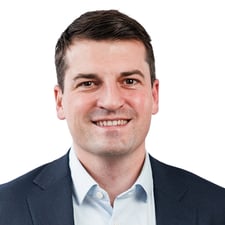








Mathias is the Co-Founder and Group CEO of Sygnum, a global digital asset banking group. Sygnum holds a Swiss banking licence, Capital Markets Services and Major Payment Institution licences in Singapore, and is licensed in Abu Dhabi and Luxembourg as well as registered in Liechtenstein.
Sygnum empowers professional and institutional investors, banks, corporates and DLT foundations to invest in digital assets with complete trust. This is enabled through institutional-grade security, expert personal service and portfolio of regulated digital asset banking, asset management, tokenization and B2B services.
Prior to Sygnum, Mathias was General Manager at RNT Associates, Mr. Ratan N. Tata's personal investment platform, where he joined as first employee. He led multiple venture capital and private equity investments and participated in Blockchain/ DLT related equity deals globally.
Mathias started his career at Bain & Company where he led advisory projects for Private Equity Funds, Family Offices and Technology companies. He holds a PhD from the University of St. Gallen and a Master of Science from the London School of Economics (LSE).


