
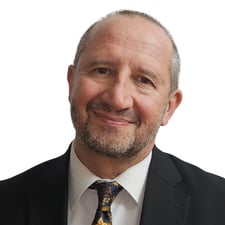








He is currently a member of the Payment System Policy Working Group at the ECB, of the Interchange Fee Regulation (IFR) Expert Group at the European Commission, and of the Target Data Group at the Financial Stability Board (FSB), contributing to the G20 Cross-border Payments Roadmap.
He has been a member of the Italian Presidency Team in the Working Party of the European Council during the Italian EU Council Presidency (2014), in the field of the EU payments framework (PSD2 and the IFR).
His research focuses on industrial organization and payment habits in the retail payments industry. He has worked as a national expert at the European Commission (DG Competition), dealing with antitrust issues in payment systems, and has presented his work at numerous international conferences.
He holds a PhD in Economics from the University of Rome “La Sapienza”, where he is currently a visiting lecturer, and is the author of several publications on payment systems.He is also a member of the Scientific Committee of the Bank of Italy’s MISP Series.


