
.svg)
Hosted by
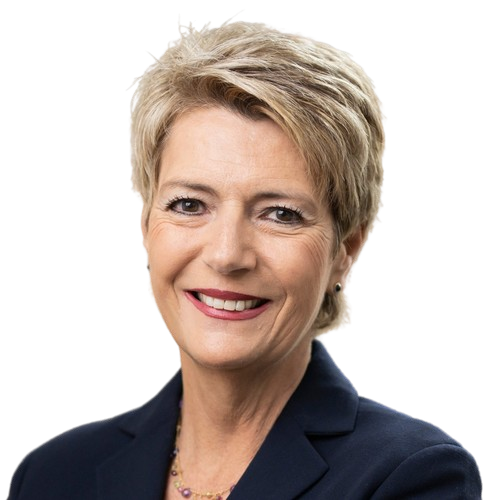
Karin Keller-Sutter
Federal Councillor & Head of the Federal Department of Finance, Switzerland

Wee Kiat Goh
Open Innovation Lead
Julius Baer
Wee Kiat Goh is an Open Innovation Lead at Julius Baer in Singapore, where he focuses on driving digital transformation and fostering partnerships across the financial and technology ecosystems.
He has built a career at the intersection of innovation, finance, and public sector strategy, previously serving as an Innovation Catalyst Manager at Singapore’s Ministry of Defence and as an Innovation Specialist at AXA, where he worked on developing new products and collaborating with business units and external partners.
Earlier in his career, he held roles in startups and technology firms, including KeyReply and CloudMoolah, gaining experience in business development, digital solutions, and ecosystem building.
Speaking at
-
12:00–1:30pmThu 25 JunGFTN InsightsRoundtable Room 2, Ground FloorOpen
Blueprint for Digital Assets
Building a Practitioner's Guide for Tokenization in Finance: Working Group Members Convening
-
 Dr. Abbas AlbashaSenior Strategy Consultant CBDCGiesecke+Devrient (G+D)
-
 Alisha ChhanganiAssociate Director, Future of MoneyAtlantic Council
-
 Amira KarimHead of International Public Policy, Payments & Financial ServicesAmazon
-
 Arena FernandezHead of Digital Regulatory InitiativesAmazon
-
 Ariadne PlaitakisDeputy Director, Regulation, Policy, & ResearchGates Foundation
-
 Chad HarperHead of Coinbase InstituteCoinbase
-
 Holger NeuhausHead of Market Innovation & IntegrationEuropean Central Bank
-
 Ivan Mortimer-SchuttsGlobal Head of vLEIGlobal Legal Entity Identifier Foundation (GLEIF)
-
 Dr. Mark StaplesChief Technology OfficerDigital Finance CRC
-
 Michael MaurerResearch EngineerMIT Digital Currency Initiative (DCI)
-
 Mo JalilHead of Institutional PrivacyEthereum Foundation
-
 Natalya ThakurFounder & Chief Executive OfficerKnova
-
 Pallavi ThakurDirector, Digital Assets Industry EngagementSwift
-
 Sébastien Van CampenhoudtDirector, Innovation & Digital Assets, Tokenized Cash LeadEuroclear
-
 Steve VallasChief Executive OfficerBlockchain APAC
-
 Sunayna TutejaFormer Chief Innovation OfficerFederal Reserve System
-
 Tang WeiHead of Public Policy, Southeast Asia & Greater ChinaStripe
-
 Toh Wee KeeGlobal Head of InsightsKinexys by J.P. Morgan
-
 Wee Kiat GohOpen Innovation LeadJulius Baer
-
 Jael TanHead of Government ProgrammesGlobal Finance & Technology Network (GFTN)Moderator
-
 Maha El DimachkiChief Executive Officer, GFTN SolutionsGlobal Finance & Technology Network (GFTN)Moderator
About this session
The problems that constrain tokenization at scale do not belong to one working group, one institution, or one regulatory perimeter. Cross-ledger settlement, stablecoin licensing fragmentation, FMI readiness in developing markets, and the legal enforceability of smart contracts are structurally connected with each a precondition for the next, each requiring actors across infrastructure and regulation to work from the same evidence base.
This session brings both working groups together for the first time in person. Working Group 1 (Interoperability and Infrastructure) and Working Group 2 (Regulation, Trust, and Governance) will each present their problem statements before presenting to the Oversight Panel. The purpose is to establish shared understanding of the initiative's full scope, test framing with peers who approach the same challenges from different vantage points, and sharpen the asks that each working group will direct to the Oversight Panel in the session that follows.
About the initiative
GFTN has launched _Tokenization in Finance: Evidence and Implementation Pathways_, a structured, multi-stakeholder initiative convening two working groups drawn from leading financial institutions, infrastructure providers, and market participants to assemble a practitioner-oriented evidence base spanning spanning digital money and payment rails through to tokenized real-world assets, securities, funds, and capital markets infrastructure. At Singapore FinTech Festival in November 2026, the initiative will publish a practitioner guide designed to give financial institutions a structured basis for sequencing their digital asset strategies, and to equip regulators and finance ministries in emerging and developing economies with implementation pathways they can draw on directly.
-
-
2:00–3:30pmThu 25 JunGFTN InsightsRoundtable Room 2, Ground FloorOpen
Blueprint for Digital Assets
Building a Practitioner's Guide for Tokenization in Finance: Oversight Panel Convening
-
Dr. Abbas AlbashaSenior Strategy Consultant CBDCGiesecke+Devrient (G+D)
-
 Dr. Alexandra HachmeisterDirector General Digital EuroDeutsche Bundesbank
-
Alisha ChhanganiAssociate Director, Future of MoneyAtlantic Council
-
Amira KarimHead of International Public Policy, Payments & Financial ServicesAmazon
-
 Aqsa ZubairDeputy Director, FinTech SupervisionBermuda Monetary Authority
-
Arena FernandezHead of Digital Regulatory InitiativesAmazon
-
Ariadne PlaitakisDeputy Director, Regulation, Policy, & ResearchGates Foundation
-
 Bilal Bin SaqibChairmanPakistan Virtual Assets Regulatory Authority
-
 Bridget Rose Mesina-RomeroDirector, Payments Policy and Development DepartmentBangko Sentral ng Pilipinas
-
Chad HarperHead of Coinbase InstituteCoinbase
-
 Daisuke TerayamaDeputy Director-General, Head of Fintech CenterBank of Japan
-
 Emma JoyceChief Revenue OfficerGlobal Blockchain Business Council (GBBC)
-
Ivan Mortimer-SchuttsGlobal Head of vLEIGlobal Legal Entity Identifier Foundation (GLEIF)
-
 Kevin CowanMember of the BoardCentral Bank of Chile
-
Dr. Mark StaplesChief Technology OfficerDigital Finance CRC
-
 Matilda Asante - AsieduSecond Deputy GovernorBank of Ghana
-
Michael MaurerResearch EngineerMIT Digital Currency Initiative (DCI)
-
Mo JalilHead of Institutional PrivacyEthereum Foundation
-
Natalya ThakurFounder & Chief Executive OfficerKnova
-
Pallavi ThakurDirector, Digital Assets Industry EngagementSwift
-
 Peter KerstensAdvisor, DG FISMAEuropean Commission
-
Sébastien Van CampenhoudtDirector, Innovation & Digital Assets, Tokenized Cash LeadEuroclear
-
Steve VallasChief Executive OfficerBlockchain APAC
-
Sunayna TutejaFormer Chief Innovation OfficerFederal Reserve System
-
Tang WeiHead of Public Policy, Southeast Asia & Greater ChinaStripe
-
Toh Wee KeeGlobal Head of InsightsKinexys by J.P. Morgan
-
Wee Kiat GohOpen Innovation LeadJulius Baer
-
Jael TanHead of Government ProgrammesGlobal Finance & Technology Network (GFTN)Moderator
-
Maha El DimachkiChief Executive Officer, GFTN SolutionsGlobal Finance & Technology Network (GFTN)Moderator
About this session
Tokenization is reshaping financial infrastructure across many economies. The decisions that are being made now on architecture, standards and governance will determine whether that infrastructure serves developed and emerging and developing economies, or leaves some behind. Ensuring that outcome requires senior public sector voices at the centre of these conversations.
This session brings both working groups and the public sector Oversight Panel together for the first time. Working group leads will present their confirmed problem statements on what the evidence shows, and receive feedback and recommendations that working groups will pursue to build the practitioner's guide that will publish at Singapore FinTech Festival in November 2026.
About the initiative
GFTN is launching _Tokenization in Finance: Evidence and Implementation Pathways_, a structured, multi-stakeholder initiative convening two working groups drawn from leading financial institutions, infrastructure providers, and market participants to assemble a practitioner-oriented evidence base spanning spanning digital money and payment rails through to tokenized real-world assets, securities, funds, and capital markets infrastructure. At Singapore FinTech Festival in November 2026, the initiative will publish a practitioner guide designed to give financial institutions a structured basis for sequencing their digital asset strategies, and to equip regulators and finance ministries in emerging and developing economies with implementation pathways they can draw on directly.
-

