

Thu 25 Jun1:00–1:40pmForum Stage
Tokenization of Treasury: The CFO's New Liquidity Playbook
About This Session
Idle corporate cash has long been a missed opportunity - but tokenised money market funds, on-chain repo, and atomic settlement are rewriting the treasurer's playbook. Major institutions are already delivering yield and instant liquidity through tokenised instruments, settling FX derivatives on-chain, and integrating programmable collateral into intraday operations. This session examines what the shift to programmable treasury infrastructure means for CFOs navigating 24/7 markets with systems built for banking hours.
- When
- Thursday 25 June1:00–1:40pm, Zurich time
- Where
- Forum StageKongresssaal, Level 1
- Access
- Open
Speakers
-
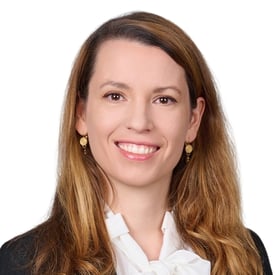
Emmanuelle Pecenicic
Head of Digital Assets Distribution
Fidelity International
-
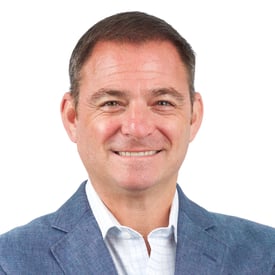
Jerald David
Chief Executive Officer
Lynq
-

Kelvin Li
General Manager of Platform Tech
Ant International
-

Milind Sanghavi
Co-founder & Chief Executive Officer
XWeave.io
-
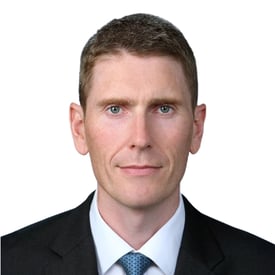
Tony McLaughlin
Chief Executive Officer
Ubyx Inc
-
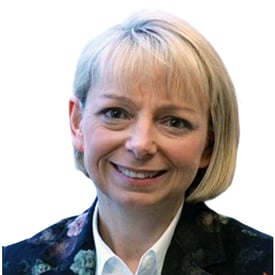
Angie Walker
Head of Commercialisation, APEX Digital 3.0
Apex Group Ltd
Moderator
More Blueprint for Digital Assets Sessions
-
1:40–2:20pmThu 25 JunForum StageKongresssaal, Level 1Open
Blueprint for Digital Assets
From Law to Operations: The Digital Asset Ecosystem's New Reality
-
 Carlos ConesaAssociate Director General Operations, Markets and Payment SystemsBank of Spain
-
 Julian BiegmannGeneral Manager SwitzerlandRevolut Switzerland
-
 Liam GlennonHead of North America Financial InstitutionsTRM Labs
-
 Tero ReunaChief Executive Officer, Paxos Issuance EuropePaxos
-
 Ceridwen ChooChief Executive OfficerCleanverse International Pte LtdModerator
About this session
Regulation is one thing; implementing new rules across live systems, global entities, and market infrastructures is another entirely. While firms grapple with operationalising evolving regimes such as MiCA and the GENIUS Act, policymakers and standard-setting bodies are simultaneously reshaping the principles that underpin tomorrow's financial market infrastructures (FMI).
This session brings together policymakers, central bankers, and industry practitioners to examine where gaps between policy intent, global standards, and operational reality are widest, how industry, policymakers, and regulators can better coordinate in an environment where rules and infrastructure are being built in parallel, and what the future of the institutional digital assets ecosystem will look like. -
-
2:00–3:30pmThu 25 JunGFTN InsightsRoundtable Room 1, Ground FloorOpen
Blueprint for Digital Assets
Stablecoins and the Monetary Order: What Is at Stake and What Should Drive their Design?
-
 Andreas KubliManaging Director Group Head of Digital AssetsUBS
-
 Dr. Attilio ZanettiAlternate Member of the Governing BoardSwiss National Bank
-
 Aymeric SalleyHead of Digital Assets PlatformBanking Circle
-
 Christian SchmidSenior Partner & Global Leader | Global Banking & CIBBCG
-
 Evaldas RuzgysMember of the BoardBank of Lithuania
-
 Michael ManzHead of the Financial Systems & Financial Markets DepartmentState Secretariat for International Finance SIF
-
 Pascale BrudererFounder & ChairwomanSwiss Stablecoin AG
-
 Rebecca MunDirectorS&P Global
-
 Andrea Luca AerniPolicy Advisor Digital Finance and InnovationState Secretariat for International Finance (SIF)Moderator
About this session
The global monetary system has a plumbing problem. Correspondent banking is slow, expensive, and exclusive, and now a $300 billion stablecoin market has grown around it. Yet 97% of that market is dollar-denominated, issuers hold hundreds of billions in short-term Treasuries, already impacting yields, and the largest stablecoin carries rating agencies’ lowest stability ratings.
Stablecoins could become genuinely useful payments infrastructure: for cross-border payments, programmable settlement, and treasury operations. In this roundtable we explore what it takes to make stablecoins truly stable and useful for broad adoption, and why Switzerland is well-placed to help (re-)define what responsible stablecoin design looks like. -
-
2:00–3:30pmThu 25 JunGFTN InsightsRoundtable Room 3, Ground FloorOpen
Blueprint for Digital Assets
Navigating the New Digital Order: Regulatory Divergence, Monetary Architecture, and a Path toward Coordination
-
 Audrey MetzgerDirector of Innovation & Financial Market InfrastructuresBanque de France
-
 Dante DisparteChief Strategy Officer and Head of Global Policy & OperationsCircle
-
 Isadora ArredondoVice President, Global PolicyHedera
-
 Jessica RenierManaging Director & Head of Digital FinanceInstitute of International Finance (IIF)
-
 Karim MouaffakFinancial Sector SpecialistArab Monetary Fund
-
 Dr. Michael HuertasPartner, Global FS Legal LeaderPwC Legal
-
 Mykolas MajauskasGlobal Head of PolicyBybit
-
 Natalya ThakurFounder & Chief Executive OfficerKnova
-
 Pavle AvramovicDirector of Research & PolicyFinancial Innovation for Impact
-
 Prof. Sarah HammerCo-ChairBretton Woods Committee Working Group on AI
-
 Thorsten PauliCountry Executive Switzerland, & Head Equity Capital Markets DACHBank of America
-
 Emily SlaterExecutive DirectorBretton Woods CommitteeModerator
About this session
Digital assets, programmable money, and AI-driven transactions are crossing borders at increased speed. But the rules governing them are being written jurisdiction by jurisdiction, with no shared architecture in sight. As the US advances GENIUS Act rules for private-sector stablecoins, the EU deepens MiCA and pursues a digital euro, and China scales its state-backed e-CNY, three major economies are building divergent governance frameworks around one underlying technology — with significant implications for cross-border payments, monetary policy transmission, and AI in the global financial system.
This policy divergence is a compliance challenge for market participants, but it is also the early stage of a structural buildup. When domestically rational policy choices generate internationally costly spillovers — and when no coordinating mechanism exists to manage them — fragmentation compounds over time until the cost of inaction becomes prohibitive. Digital currencies and AI governance are following this trajectory, and while the window to get ahead of it remains open, it is closing.
Against this backdrop, the Bretton Woods Committee will convene a closed roundtable at Point Zero Forum on Thursday, June 25th to bring together global policymakers, central bankers, regulators, and private sector leaders to stress-test the diagnosis. This discussion will directly inform the Bretton Woods Committee's upcoming work, with a focus on the defining digital governance challenge of the moment: whether coordination across jurisdictions can accelerate to match the digital rails being built beneath the global financial system.
The roundtable will be a 90-minute discussion featuring 10 minutes of scene-setting remarks from featured speakers, followed by an open exchange among the broader group. A brief framing paper will be circulated in advance. The core question animating the discussion: What are the costs of continued fragmentation — and what global coordination mechanisms are necessary to manage the associated risks and opportunities?
-