

Hosted by
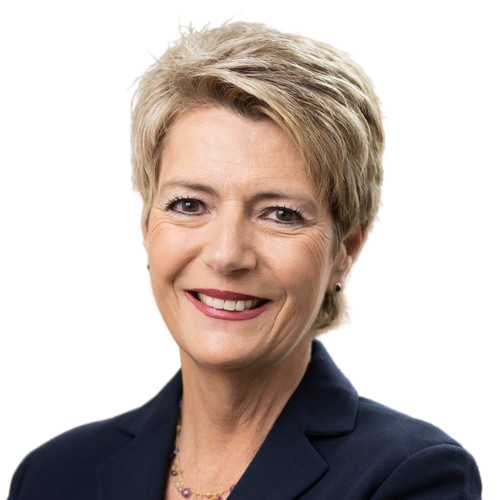
Karin Keller-Sutter
Federal Councillor & Head of the Federal Department of Finance, Switzerland
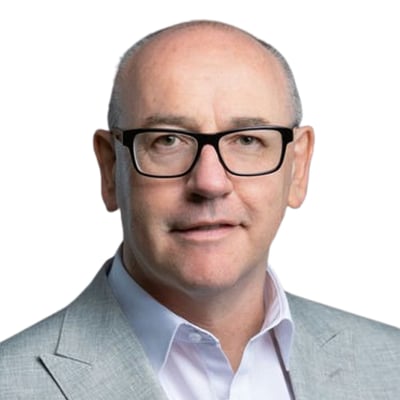
Steven McWhirter
Global Policy Lead
Binance
Steven McWhirter is the Global Policy Lead at Binance, bringing over 25 years of extensive experience in regulation, policy, strategy, supervision and structural reform. Before joining Binance, Steven spent almost a decade at the Financial Conduct Authority (FCA). During his tenure at the FCA, Steven was a policy subject matter expert, contributing to UK and international policy development via the ESMA, EBA, EIOPA, BIS, FSB and IOSCO. His policy work included fintech, bigtech, professionalism, management body corporate governance and suitability, systems and controls, operational risk, internal governance, operational resilience, cloud outsourcing, cyber, digital markets and related technology policy.
Steven has previously advised on the creation of the UK Office for Professional Body Anti-Money Laundering Supervision (OPBAS) and the creation of the UK Banking Standards Board. He was also a member of the policy team responsible for implementing the UK’s Senior Manager and Certification Regime (SMCR), as well as the FCA’s lead on managing the UK Privy Council, UK Royal Chartered professions and the Secretariat of the Global Financial Innovation Network (GFIN), a network of over 80 financial regulators and observers globally.
Speaking at
-
2:00–3:30pmWed 24 JunBoardroomBoardroom, Level 00, Ground FloorInvite-OnlyModerator
Others
[Invite-only] After MiCA: The Next Phase of Cross-Border Crypto Supervision - Powered by Binance
-
 Sopnendu MohantyGroup Chief Executive OfficerGlobal Finance & Technology Network (GFTN)Moderator
-
 Steven McWhirterGlobal Policy LeadBinanceModerator
About this session
MiCA has established a harmonised framework for crypto-assets across the European Union, but the focus of policy discussion is now shifting from rulemaking to supervisory implementation. As digital asset markets become increasingly cross-border and interconnected, important questions are emerging around supervisory coordination, market oversight and the interaction between regional frameworks and global market activity.
If you would like to be part of the discussion, please register your interest here, subject to approval.
-
-
3:00–3:30pmWed 24 JunWorkshopWorkshop Room, Level 1Open
Others
AI and Blockchain: Powering Innovation, Managing Risk, Shaping the Future - Powered by TRM Labs
-
 Dr. Anika SchumannLead for AI RiskSwiss Financial Market Supervisory Authority (FINMA)
-
 Prof. Chris BrummerChief Executive OfficerFintech Foundation
-
 Geraldine KraevGlobal Innovation ManagerFCA
-
 Louise JohnstonDirector, Government Affairs & PolicyMastercard
-
 Rene MichauGlobal Head, Digital AssetsStandard Chartered
-
Steven McWhirterGlobal Policy LeadBinance
-
 Liam GlennonHead of North America Financial InstitutionsTRM LabsModerator
About this session
AI is driving progress across all sectors, including blockchain-powered financial services—accelerating efficiency and unlocking analytical capabilities that would have been unthinkable just a few years ago. The same capabilities transforming financial services are equally critical in managing the risks that come with them—from financial crime and illicit flows to smart contract vulnerabilities, operational and custody failures, and emerging threats to market integrity.
In this interactive workshop, leaders from financial intelligence, digital infrastructure, and global regulation come together to share what AI-powered risk management looks like on the ground today—the wins, the lessons, and the open questions. Rather than debating frameworks, this session will allow for honest exchange: what's being built, how it's landing, and what the path to responsible, explainable AI adoption might need from policymakers tomorrow.
This session aims to define the urgent, concrete steps needed to make AI-powered risk management a foundation — not an afterthought — of the digital economy.
-
-
4:00–5:30pmThu 25 JunGFTN InsightsRoundtable Room 1, Ground FloorOpen
Blueprint for Digital Assets
Beyond De-Risking: Are Stablecoins the Future of Trusted Cross-Border Payment Infrastructure?
-
 Adam GagenGlobal Head of Government AffairsRevolut
-
 Bridget Rose Mesina-RomeroDirector, Payments Policy and Development DepartmentBangko Sentral ng Pilipinas
-
 Calvin ChengChairmanPaymonade Tech
-
 Carine ChartouniDeputy Division Chief, Legal DepartmentInternational Monetary Fund
-
 Dr. Guerino ArdizziDeputy Head of the Analysis & Database Division (Retail Payment Instruments & Services Directorate)Banca d'Italia
-
 Jeannie LimCo-Founder & Head of GrowthXweave.io
-
 Juan López CarreteroHead of Market Development EuropeStellar Development Foundation
-
 Julie GuettaManaging DirectorThitsaWorks
-
 Mathias ImbachCo-founder & Group Chief Executive OfficerSygnum
-
 Matthias ObrechtHead Supervision New TechnologiesSwiss Financial Market Supervisory Authority (FINMA)
-
Steven McWhirterGlobal Policy LeadBinance
-
 Prof. Yesha YadavBoard Member & ProfessorFintech Foundation, Vanderbilt Law School
-
 Lucy InghamVice President of ResearchFXC IntelligenceModerator
About this session
Cross-border payments remain among the most expensive, slowest, and least accessible financial services globally. Stablecoins have emerged as a working alternative in the corridors underserved by traditional correspondent banking, processing significant volume alongside traditional rails, but questions of trust, reserve integrity, adoption, and systemic risk remain unresolved.
As regulatory frameworks mature across jurisdictions, this roundtable will explore the question of whether stablecoins are poised to graduate from a parallel system into genuine cross-border payment infrastructure, and what has to be true about their design, governance, and regulatory treatment for that to happen.
With payment-native banks, institutional settlement networks, and central banks at the table, the conversation will move beyond the technology debate to the harder questions of standards, coexistence, and who bears the risk when settlement infrastructure fails at scale.
-

